
Home/World of Mixers/Mixing Bowl Options
Mixing Bowl Options
Selection of mixing bowl is a crucial part in configuring your mixer & should not be ignored. Process stability, Surface finish, Temperature profile, Energy efficiency, Operational Safety etc. are some major points to consider. If you need any assistance during selection process,  ® is the right place to discuss. Experience in Homogeneal mixing since 50 Years, we can guide you better.
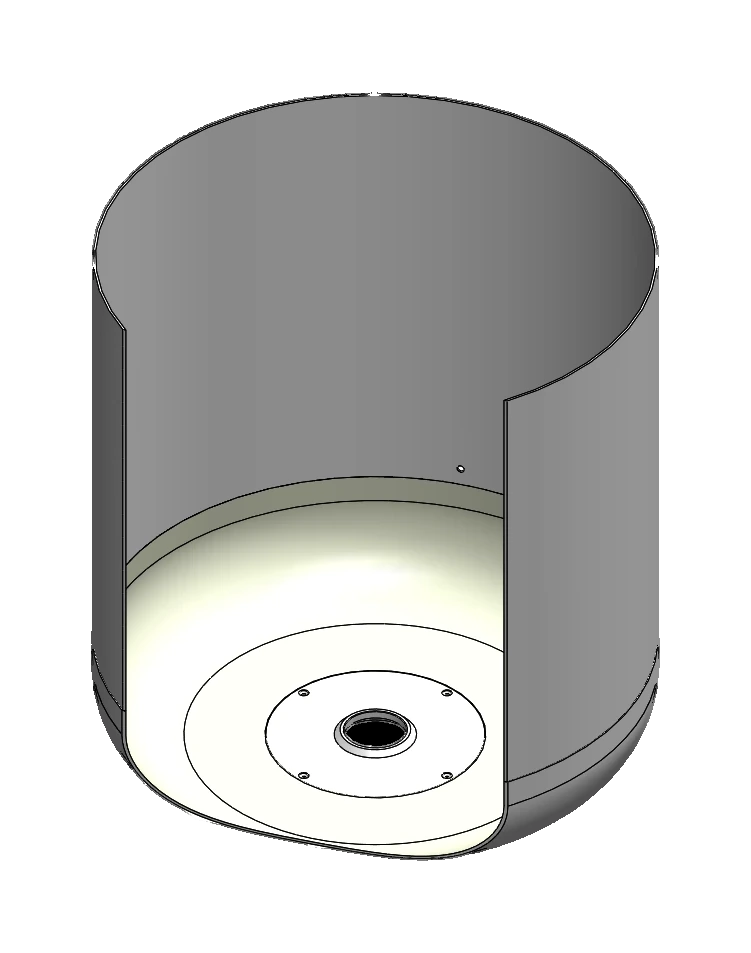
MOC options
Material of construction.
AISI 304 VESSEL
Entire
® range of mixer vessels are manufactured using AISI 304 mirror polished steel as a standard scope of supply.All vessels are polished via fully automatic buffing machine.
Uniform directional Clean-Cut surface finish with Ra value of ≤ 0.5µ.
AISI 321 VESSEL
Austenitic stainless steel for high-temperature (upto 900°C).
Superior Corrosion & Wear resistance due to addition of titanium.
All vessels are polished via fully automatic buffing machine.
Uniform directional Clean-Cut surface finish with Ra value of ≤ 0.5µ.
AISI 2205 DUPLEX VESSEL
High performance austenitic-ferritic stainless steel also recognized as “WORKHORSE” of steel grades.
High resistance to chloride-induced stress corrosion cracking (SCC), pitting, & crevice corrosion.
Twice the strength / Excellent corrosion resistance / High SSC
All vessels are polished via fully automatic buffing machine.
Uniform directional Clean-Cut surface finish with Ra value of ≤ 0.5µ.

C-276 HASTELLOY VESSEL
A superalloy offering unmatched corrosion resistance in severe environments, including wet chlorine, mineral acids, & chloride-contaminated media.
Highest temperature stability (upto 1038°C) with max. SCC safety.
Although higher in initial cost, its durability reduces repair, replace, & downtime costs in severely corrosive applications like CPVC.
All vessels are polished via fully automatic buffing machine.
Uniform directional Clean-Cut surface finish with Ra value of ≤ 0.5µ.
Thickness options
Shell & dish end.
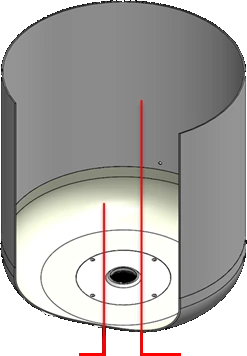
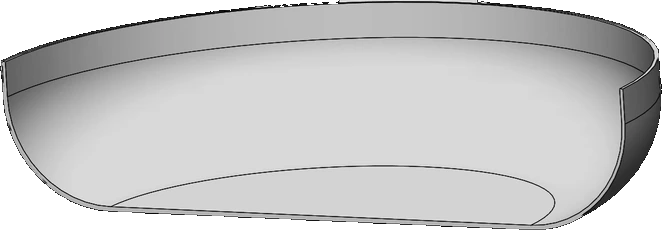
THICKNESS Options
- ® standard thickness of Vessel shell & bottom dish end are between 5 to 8mm but it varies according to application, size & capacity of the mixer.
For additional thickness, we can go upto 20mm thickness.
If you need any assistance for vessel thickness selection process, we are here to help.
Coating options
Coated for the process.
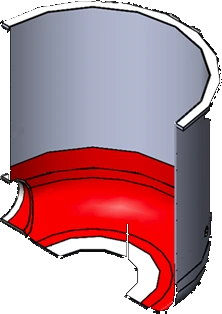
COATING Options
Coating the interior of a mixer vessel offers significant operational advantages.
Type, Area & Method of coating process are always application oriented.
At
® we have various options of process-oriented coating options. With our vast experience of more than 50 years in the mixing industry we just not simply coat but we undergo process-oriented coating to achieve longevity & efficacy of the mixing bowl.Coating Options suitable to ensure…
Cross Conamination of blend
Corrosion Protection
Abrasion & Wear Protection
Coating Methods like…
PTFE, HALAR, ECTFE Fluoropolymer resin coating for cross contamination (Anti-static) of blend during mixing cycle. A faster & easier cleaning with decrease the chances of material sticking to vessel wall.
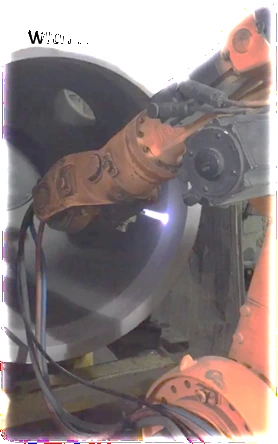
Robot Assisted HVOF & PTA - Tungsten Carbide Matrix for Abrasion & Wear Protection. It can provide resistance to abrasion, which is particularly beneficial when processing abrasive powders or granules, thus protecting the vessel from premature wear.
If you need any assistance for coating selection inside the mixing bowl (Full or Partial coat), we are here to help.
Jacket options
Jacketed as standard.
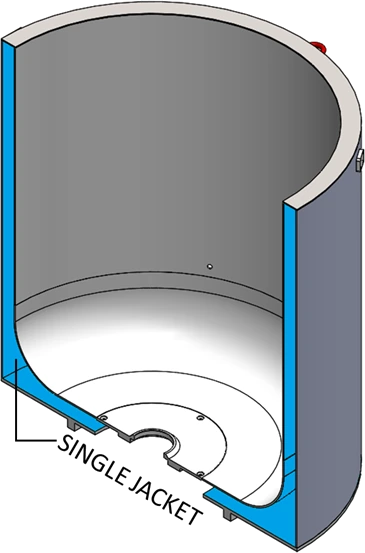
JACKATED VESSEL
All
® range of mixer vessels are jacketed as a standard scope of supply. Jacket always works as an insulation against heat or cold, whether it is liquid circulation or just air.For PVC compounding, jacketed vessel in heater mixer is not mandatory but it does have some extra advantages:
Uniform process temperature-controlled heating.
Provides excellent mechanical strength to vessel.
Protects the inner mixing bowl shell from damages.
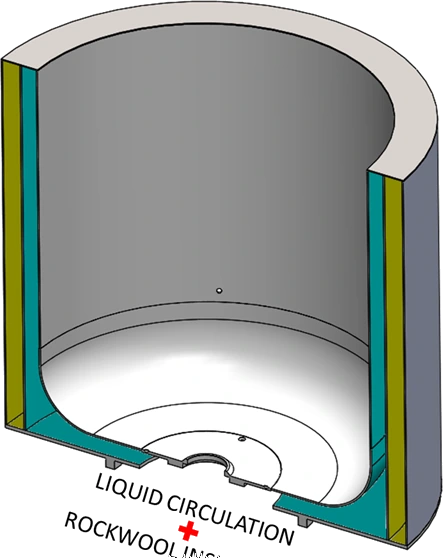
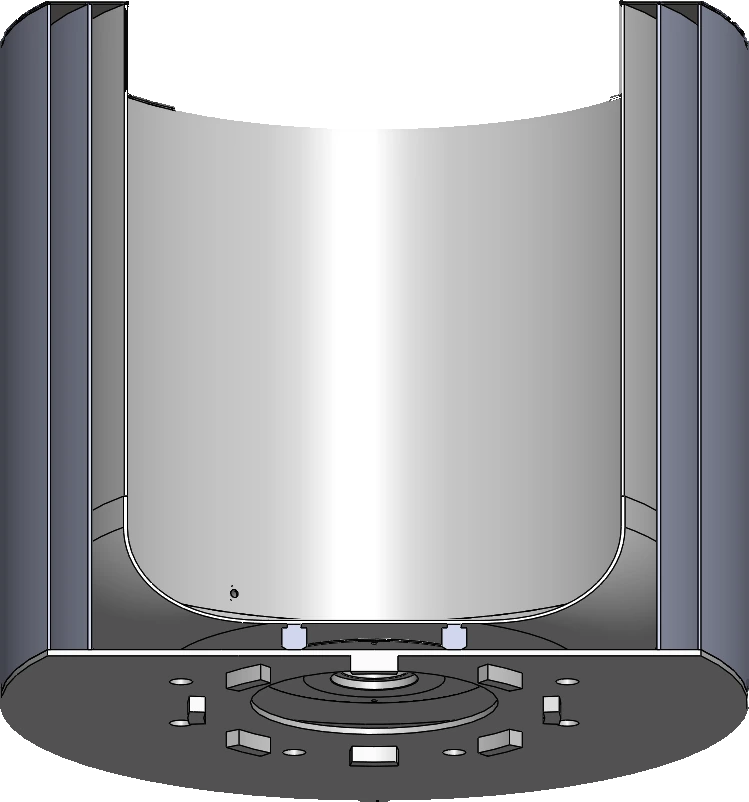
DOUBLE JACKETED VESSEL
For superior thermal performance,
® also offers double jacketed vessel.A combine advantage of liquid circulation & thermal insulation
This design incorporates double isolated jacket individually for liquid circulation circuit & enclosed thermal insulation inside vessel
Twice the surface area of heat insulation results into rapid mixing cycle
Reduce energy consumption by atleast 25%
Insulation
Rockwool, inside the jacket.
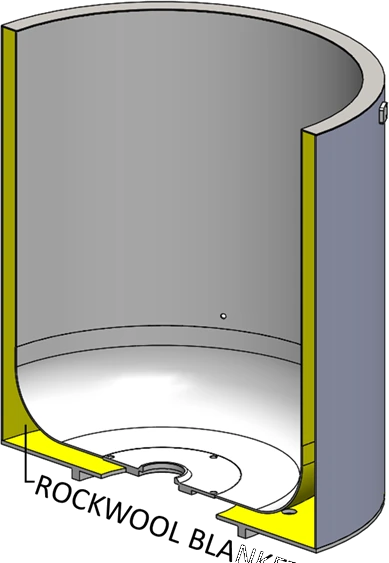
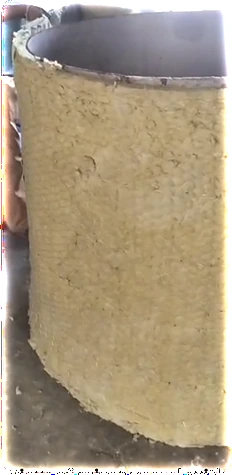
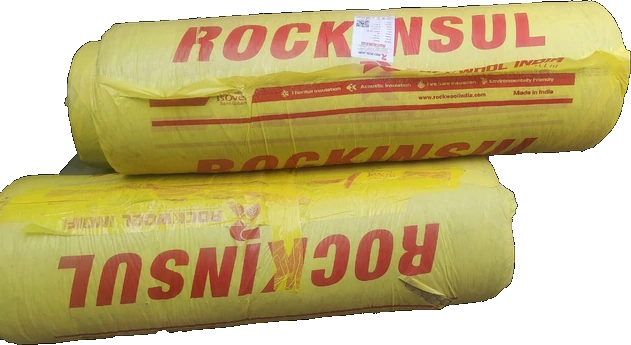
INSULATATED VESSEL
Thermally Insulating mixer vessel with Rockwool blanket inside the jacket is the best option with many advantages:
Faster mixing cycle – Increases production throughput by atleast 12 to 15%.
High Energy Efficiency - Dramatically reducing heat loss, rockwool lowers power consumption & reduces the motor energy required for heating & maintaining temperatures. R-Value of 3.0 to 4.0 per thickness inch.
Process Stability - It ensures thermal control, which keeps batch at required temperatures to prevent them from setting, freezing, or losing their properties. Thermal conductivity lambda(λ) value of 0.037W/m.K
Enhanced Safety (Non-Combustible) - Being made from volcanic rock, it is non-combustible and acts as a fire barrier, preventing the spread of flames in industrial environments.
Operational Safety - Outer surface of the vessel remains tepid avoiding severe burns upon contact.
50 years lifespan - Exceptionally high temperature resistance & no replacement needed.
Tailor it
High-performance add-ons.
Need help? Ask us.
®Test & Development Centre
Test your recipes together with ® directly on a suitable mixer.